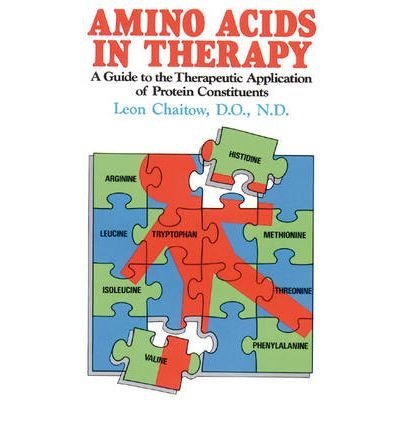
Amino Acids in Therapy: A Guide to the Therapeutic Application of Protein Constituents (Import) – Comprehensive Review
Introduction
In the evolving landscape of medical and nutritional science, understanding the role of amino acids in therapeutic settings has become indispensable. Amino Acids in Therapy: A Guide to the Therapeutic Application of Protein Constituents (Import) emerges as a pivotal resource for healthcare professionals, researchers, and advanced students. Edited by distinguished experts, this book synthesizes decades of clinical research and practical applications, offering readers a deep dive into how protein constituents can be strategically utilized to treat a range of conditions. Whether you’re a physician seeking evidence-based protocols, a dietitian designing therapeutic nutrition plans, or an academic exploring biochemical pathways, this volume serves as both a reference and a guide. Its comprehensive approach bridges the gap between theoretical knowledge and real-world application, making it a valuable addition to any medical library.
Key Features
This authoritative text stands out through several key features designed to meet the demands of modern clinical practice:
- Evidence-Based Content: Each chapter is grounded in peer-reviewed studies, ensuring practitioners receive actionable insights backed by robust data.
- Structured Chapters: Topics are organized logically—from fundamental biochemistry to specific therapeutic applications—to guide readers from basics to advanced concepts.
- Clinical Case Studies: Real-world examples illustrate successful integration of amino acid therapies in diverse patient scenarios.
- Multidisciplinary Perspectives: Contributions from physicians, biochemists, nutritionists, and pharmacologists provide a holistic view of amino acid applications.
- Update Coverage: The import edition incorporates recent findings, ensuring readers have access to the latest advancements in the field.
Use Cases
The relevance of Amino Acids in Therapy extends across multiple professional contexts:
- Clinical Practitioners: Physicians treating metabolic disorders, hepatic failure, or postoperative recovery can reference specific protocols for amino acid supplementation.
- Sports Medicine: Sports nutritionists utilize the book’s sections on branched-chain amino acids (BCAAs) and recovery optimization to design performance-enhancing regimens.
- Pediatric Care: The chapter on neonatal nutrition addresses critical amino acid requirements for premature infants, guiding tailored interventions.
- Research Academics: Graduate students and researchers find the extensive bibliography and discussion of emerging therapies invaluable for literature reviews and experiment design.
- DietarySupplement Industry: Formulators consult dosage guidelines and safety profiles to develop compliant, effective products.
Pros and Cons
To provide a balanced perspective, here’s an honest assessment of the book’s strengths and limitations:
Pros
- Thorough coverage of both basic science and applied therapy.
- Contributions from globally recognized specialists.
- Clear explanations of complex biochemical processes.
- Practical tables summarizing dosages and contraindications.
- Suitable for both novice learners and seasoned professionals.
Cons
- The density of technical content may overwhelm beginners without prior biochemistry knowledge.
- Higher price point compared to introductory texts.
- Limited focus on alternative supplements; emphasis remains strictly on protein constituents.
Buying Guide
When considering a purchase, several factors merit attention:
- Edition Selection: Ensure you’re acquiring the import edition to access the most current research. Earlier versions may lack recent updates.
- Format Preference: Hardcover offers durability for frequent referencing, while Kindle versions provide portability and searchable text.
- Price Comparison: Though premium-priced, the book’s long-term utility justifies the investment for professionals. Check for academic discounts or library access options.
- Complementary Resources: Pair with titles like Nutritional Biochemistry or clinical nutrition guidelines for broader context.
FAQ
Potential readers often have these common questions:
- Is this suitable for medical students? While beneficial, foundational biochemistry knowledge is recommended. It works best as a supplementary text.
- Does it cover novel amino acid formulations? Yes—the import edition includes sections on pegylated amino acids and novel delivery systems.
- Are there supplementary materials available? The publisher’s website occasionally provides access to additional case studies and charts (availability varies).
- How does it compare to Amino Acid Therapy in Practice? This guide offers deeper biochemical theory, whereas the competitor focuses more on quick-reference protocols.
Conclusion with CTA
Amino Acids in Therapy: A Guide to the Therapeutic Application of Protein Constituents (Import) delivers an unparalleled blend of scientific rigor and clinical applicability. For professionals aiming to leverage amino acids in patient care or research, this book is not merely a reference—it’s a strategic asset. To explore this essential resource and secure your copy today, visit Amazon via the link below.
Purchase Amino Acids in Therapy on Amazon
This website participates in the Amazon Services LLC Associates Program, an affiliate advertising program designed to provide a means for sites to earn advertising fees by advertising and linking to Amazon.com and affiliated sites. As an Amazon Associate, we earn from qualifying purchases at no additional cost to you.