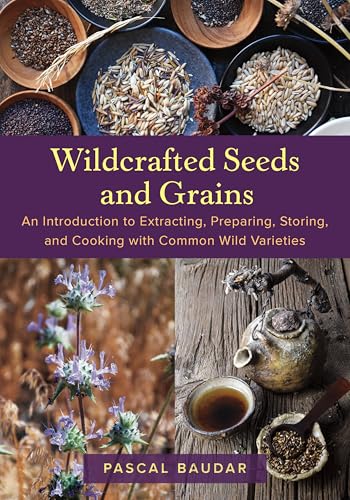
Wildcrafted Seeds and Grains: An Introduction to Extracting, Preparing, Storing, and Cooking with Common Wild Varieties Review
Introduction
Foraging enthusiasts, homesteaders, and culinary adventurers are constantly seeking reliable resources to expand their knowledge of wild food sources. Wildcrafted Seeds and Grains: An Introduction to Extracting, Preparing, Storing, and Cooking with Common Wild Varieties emerges as a comprehensive guide that bridges the gap between traditional foraging practices and modern culinary applications. Whether you’re a beginner looking to identify edible plants or an experienced forager aiming to maximize nutritional value through proper preparation, this book offers practical insights into harnessing nature’s bounty.
The author combines botanical expertise with hands-on experience, delivering clear instructions andTried-and-true techniques for working with wild seeds and grains. From field identification to kitchen experimentation, readers will discover how to transform foraged ingredients into nutritious, flavorful meals while minimizing waste and preserving natural resources.
Key Features
This guide stands out through several essential features designed to support both novice and advanced practitioners:
- Comprehensive Identification: Detailed descriptions and photographs of common wild plants, including seeds and grains from North American ecosystems.
- Extraction Techniques: Step-by-step methods for harvesting and processing seeds safely, including tools, timing, and ethical foraging practices.
- Preparation Guidelines: Seasonal recipes and cooking methods tailored to each grain or seed variety, from porridges to baked goods.
- Storing Solutions: Best practices for long-term preservation, including drying, freezing, and oil extraction storage tips.
- N nutritional Insights: Breakdown of dietary benefits associated with each wild variety, helping readers maximize health benefits.
- Ecological Context: Guidance on sustainable harvesting to protect ecosystems and promote biodiversity.
The book’s modular structure allows readers to skip directly to relevant sections, making it equally useful as a reference manual or a cover-to-cover educational text.
Use Cases
This book proves valuable across multiple scenarios:
For Foraging Beginners
Newcomers will appreciate the clear identification keys and safety precautions that prevent accidental consumption of toxic look-alikes. The beginner-friendly approach reduces anxiety when venturing into wild harvesting for the first time.
For Homesteaders and Self-Sufficient Growers
Beyond wild sources, the techniques described apply to homegrown grains and heritage varieties. Readers can supplement their harvests with wild-foraged ingredients, enhancing menu diversity and reducing reliance on commercial products.
For Professional Chefs and Food Innovators
The culinary section provides inspiration for creating unique dishes using underutilized wild ingredients. Techniques for flavor enhancement and texture manipulation cater to chefs seeking to elevate farm-to-table offerings.
For Survival Preppers
Knowledge of wild food sources becomes critical in emergency situations. The book’s storage and preservation chapters offer life-saving strategies for maintaining nutrient-dense food supplies in off-grid environments.
For Environmental Educators
Teachers and conservationists will find ready-made lesson plans about plant identification, ecological interdependence, and sustainable resource management embedded throughout the chapters.
Pros and Cons
Pros
- Accessible language avoids overly technical jargon while maintaining scientific accuracy
- Visually supported with clear photographs and illustrated diagrams
- Recipes include accessibility modifications for dietary restrictions (gluten-free, vegan options)
- Each chapter includes safety checklists and troubleshooting guides
- Authoritative references cite botanical databases and ethnographic studies
Cons
- Geographic focus primarily on temperate North America limits direct applicability in tropical or arctic regions
- Some advanced Processing techniques require specialized equipment not covered in depth
- Paper edition lacks digital search functionality available in e-book formats
Buying Guide
When considering this guide, evaluate these key decision factors:
Format Preference
The paperback version offers portability for field use, while the Kindle edition provides searchable content and instant recipe access. Audiophiles may prefer the audiobook format for learning during hikes.
Experience Level
Beginners benefit most from the foundational chapters, whereas experienced foragers may prioritize the advanced cooking techniques in later sections.
Regional Relevance
Purchase supplemental regional guides if you reside outside North America to cross-reference plant species and local harvesting regulations.
Learning Style
Visual learners should ensure they acquire the edition with full-color photographs; black-and-white print versions may struggle with plant identification accuracy.
FAQ
Q: Does the book cover poisonous look-alikes?
A: Yes, each identification chapter includes comparison photos and safety checklists to distinguish edible varieties from toxic relatives.
Q: Are the recipes suitable for large families?
A: Many recipes include scaling instructions, and the grain storage chapter addresses family-sized preservation methods.
Q: How much foraging experience is required?
A: The author structures content for all skill levels, with early chapters designed for complete beginners.
Q: Will I need special equipment?
A: Basic kitchen tools suffice for most recipes; advanced processing techniques note required equipment in advance.
Conclusion
Wildcrafted Seeds and Grains transforms wild food knowledge from theoretical concepts into practical, actionable skills. Its balanced approach to ecology, nutrition, and culinary arts makes it a cornerstone resource for anyone seeking to deepen their relationship with natural food sources.
Whether you’re planning your next forage, designing a sustainable diet, or simply curious about nature’s culinary offerings, this guide provides the foundation to explore wild ingredients confidently. Ready to expand your culinary horizons?
Grab your copy of Wildcrafted Seeds and Grains on Amazon now and start your journey into the world of wild food mastery today.
This website participates in the Amazon Services LLC Associates Program, an affiliate advertising program designed to provide a means for sites to earn advertising fees by advertising and linking to Amazon.com and affiliated sites. As an Amazon Associate, we earn from qualifying purchases at no additional cost to you.